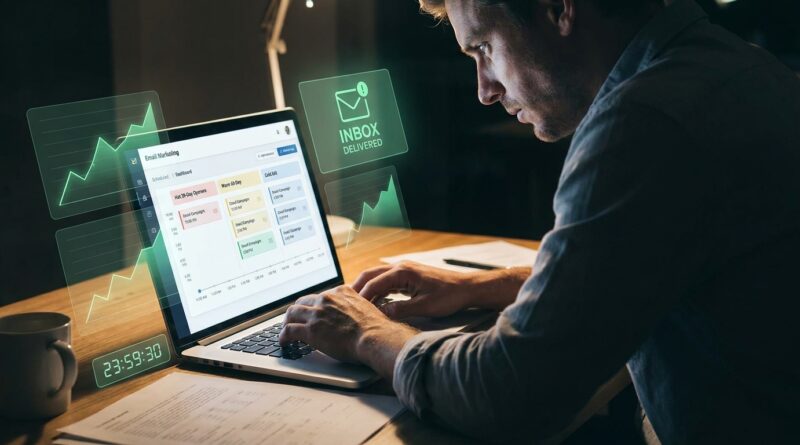
The ‘Inbox-Surge Flash’ Strategy: Turn One Smart Email Wave Into Your Highest-Converting 24‑Hour Sale
You hit “send to all” because a flash sale is supposed to feel big. Then the hangover starts. Open rates dip. Spam complaints creep up. Tomorrow’s campaign lands a little lower in the inbox than it did last week. If that sounds familiar, you are not doing email “wrong.” You are running into the simple truth that flash sales and inbox health are always pulling against each other. The good news is you do not need to choose between revenue today and deliverability next week. A smarter ecommerce flash sale email strategy starts small, watches the signals, and scales only when the inbox is responding well. Think of it less like shouting into a stadium and more like filling a room in stages. You start with the people most likely to care, see how the message lands, and then open the doors wider. That one shift can turn a nervous blast into a safer, higher-converting 24-hour sale.
⚡ In a Hurry? Key Takeaways
- Do not start a flash sale by emailing your whole list. Send first to your most recently engaged subscribers, then expand in stages.
- Wait two to three hours after the first wave, check opens, clicks, bounces, unsubscribes, and spam complaints, then decide whether to roll out wider.
- Plain-text reminders and short “clicked but didn’t buy” follow-ups often bring in extra sales with less inbox risk than another big graphic-heavy blast.
Why the old flash sale blast stops working
A lot of small brands treat flash sales like a fire alarm. Pull the handle. Alert everybody. Hope for a rush.
That used to work better than it does now. In 2026, inbox providers are much quicker to notice when a chunk of your list ignores you, deletes you, or marks you as spam. A giant send to sleepy subscribers can hurt the very audience you spent years building.
The problem is not flash sales themselves. The problem is sending them with no pacing.
If half your list has not opened in months, they should not get the first crack at your most aggressive promo. Your warmest subscribers should.
What the Inbox-Surge Flash strategy actually is
This ecommerce flash sale email strategy is simple. You launch your 24-hour offer in waves instead of one blast.
Wave 1: Your hottest segment
Start with people who opened or clicked in the last 30 days. If your list is small, you can stretch that to 45 days. These are the people most likely to engage quickly, which sends good signals back to inbox providers.
Wave 2: Your warm segment
Two to three hours later, if metrics look healthy, send to subscribers active in the last 31 to 90 days.
Wave 3: The cautious expansion
If the campaign is still performing well, send to the next band of less-recent engagers. If it is not, stop forcing it. A smaller, profitable sale is better than a bigger send that damages future campaigns.
That is the core idea. Start with likely yeses. Earn the right to widen the audience.
How to build the segments without making this a week-long project
You do not need a fancy data team for this. Most email platforms already let you filter by last open, last click, last purchase, or recent site activity.
A practical starter setup
Use these four groups:
- Opened or clicked in the last 30 days
- Opened or clicked in the last 31 to 90 days
- Clicked a campaign or visited product pages recently but did not buy
- Everybody older than 90 days, which is your risky group
If you have purchase data, even better. Put recent buyers of related items near the front of the line. Put chronically inactive subscribers at the back, or skip them completely for this sale.
Your 24-hour send plan
Here is the playbook many small brands can use right away.
Hour 0: Launch to your top openers
Send the main sale email to your hottest segment first. Keep the message clean. One offer. One clear button. One deadline.
Do not overdesign it. Busy templates can look nice in a preview but often distract from the sale.
Hour 2 to 3: Check the health signals
Before expanding, look at:
- Open rate compared with your usual campaigns
- Click-through rate
- Bounce rate
- Unsubscribe rate
- Spam complaints
If opens and clicks are solid and complaints are low, move to the next segment. If complaints are up or engagement is soft, do not keep pushing into colder audiences.
Hour 4 to 6: Expand carefully
Now send to the warm segment. You already have some positive engagement from the first wave, which can help the second wave land better.
Later that day: Send a plain-text reminder
This is one of the easiest wins. Your reminder does not need another glossy banner. A short plain-text style email often feels more personal and gets better attention.
Something like: “Quick heads-up, the sale ends tonight at midnight. Here are the products people are grabbing first.” Short. Clear. Human.
Final hours: Tiny follow-up to clickers who did not buy
This group matters. They showed intent. They just did not finish.
Send a very small follow-up only to people who clicked the sale email but did not purchase. This is not a full resend. It is a nudge. Maybe include the exact category they clicked or a simple line like, “Still thinking it over? The discount expires in a few hours.”
If abandoned cart traffic is part of your sale engine, it is worth also reading The ‘One-Tab Flash’ Strategy: Turn Abandoned Carts Into Your Highest-Converting 24‑Hour Sale, which pairs nicely with this staged email approach.
What metrics tell you to stop
This part is important. Not every sale deserves a bigger send.
If your first wave underperforms badly, the market is telling you something. Maybe the offer is weak. Maybe the subject line missed. Maybe the timing is off.
Here are signs to slow down or stop expanding:
- Spam complaints jump above your normal baseline
- Unsubscribes spike fast in the first couple of hours
- Clicks are weak even though opens are decent, which can mean the offer is not compelling
- Bounces rise, which can point to list hygiene problems
A lot of brands panic here and send again, louder. That usually makes the next problem worse.
Inbox-safe tactics that still drive revenue
You can be aggressive without being reckless.
Use shorter emails
Your subscriber already understands what a flash sale is. They do not need six sections, three countdowns, and a wall of copy.
Keep subject lines direct
Skip the gimmicks. “24 hours only: 20% off sitewide” often beats something cute but vague.
Do not resend to non-openers too fast
This is a common mistake. If you want to resend, wait long enough to evaluate the first wave and consider using a fresh subject line only for your engaged segments.
Prefer behavior-based follow-ups
A small email to clickers, browsers, or cart abandoners is usually safer than another giant batch to cold subscribers.
Clean your list regularly
If a segment has not opened or clicked in many months, a flash sale is not the moment to wake them up. Run a re-engagement campaign separately, or suppress them.
Why this works better than “send to all”
Email systems pay attention to what happens right after your campaign lands. When highly engaged people open and click early, that can help your reputation in real time.
Just as important, you avoid wasting your best offer on the least interested slice of your audience first.
This strategy also gives you room to adjust. If the first wave takes off, great. If not, you can tweak the subject line, simplify the creative, or sharpen the offer before the next stage.
At a Glance: Comparison
| Feature/Aspect | Details | Verdict |
|---|---|---|
| Traditional “send to all” blast | Fast and simple, but it hits disengaged subscribers at the same time as your loyal readers, which can drag down opens and raise complaints. | Good for speed, bad for inbox safety. |
| Inbox-Surge staged rollout | Starts with recent openers and clickers, then expands after two to three hours if the data looks healthy. | Best balance of revenue and deliverability protection. |
| Behavior-based follow-ups | Plain-text reminders and short nudges to clickers who did not buy can lift sales without another massive send. | High value, low extra risk. |
Conclusion
Inbox health is one of the most fragile levers in ecommerce in 2026, and flash sales can either spike revenue or crater sender reputation for weeks. The fix is not to stop running promotions. It is to stop treating every flash sale like a list-wide emergency. Segment by recent engagement, launch the flash to your top openers first, watch metrics for two to three hours, then expand in stages while layering on simple inbox-safe tactics like plain-text reminder emails and tiny “clicked but didn’t buy” follow-ups. The result is fewer spam complaints, higher click-through, and more revenue from the same offer, with less fear that tomorrow’s campaigns will pay the price for today’s sale. That is the kind of smart restraint that helps small brands grow without burning the audience they actually own.