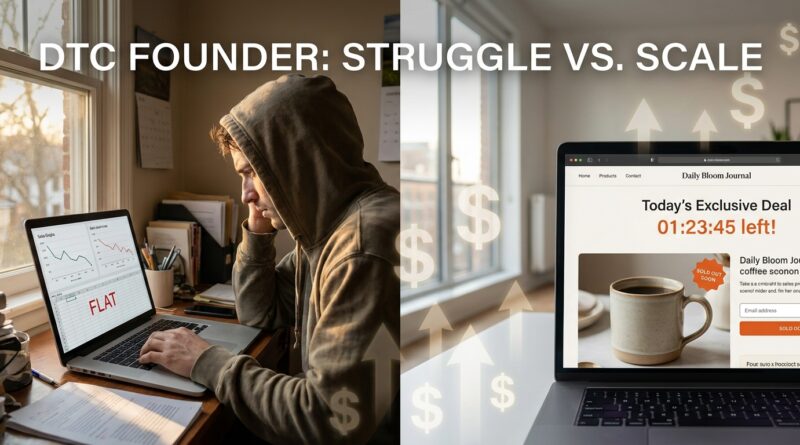
The ‘Publisher-Partner Flash’ Strategy: Turn One Editorial Feature Into A 24‑Hour Sell‑Out
You can only email the same people so many times before your “flash sale” starts to feel less like an event and more like background noise. That is the frustrating part. You do the work, cut the margin, post on social, send the texts, and still end up talking to the same small crowd. Meanwhile, some brands seem to sell out in a day with one well-placed mention in a trusted gift guide or deal roundup. That is not luck. It is a smarter ecommerce flash sale publisher partnership strategy. Instead of pushing a discount only through your own channels, you package one sharp 24-hour offer for a publisher whose readers already shop from “editor-approved” lists. When it works, you get borrowed trust, better traffic, and a cleaner reason to go deeper on price for one day only. You are not discounting your whole store for a week. You are creating a focused event that feels newsworthy.
⚡ In a Hurry? Key Takeaways
- A publisher-partner flash sale works by pairing one strong 24-hour offer with a trusted commerce publisher or deal site, instead of only promoting it to your own audience.
- Start with a simple package: one hero product, a real discount, a short sales window, clear inventory, and a short pitch built around why readers should care now.
- Do not run this if your margins, stock levels, or site speed cannot handle a traffic spike. A sell-out is great. A broken checkout is not.
Why your usual flash sale may be falling flat
Most flash sales fail for a boring reason. Not because the product is bad. Not because the creative is weak. Because the audience has seen it all before.
Your list knows your habits. Your Instagram followers know when the “limited-time” code is probably coming back next weekend. That kills urgency.
Publishers change the frame. A deal roundup, holiday gift guide, or editor picks list feels more neutral. Shoppers do not read it like an ad from the brand. They read it like a recommendation.
That trust matters. A lot.
What the publisher-partner flash strategy actually is
At its core, this is simple. You take one editorial feature, usually on a commerce publisher, shopping site, newsletter, or deals page, and turn it into the engine for a 24-hour sell-out push.
The basic formula
It usually looks like this:
- Pick one hero product or a very tight bundle.
- Create a meaningful 24-hour offer. Not a sleepy 10 percent code.
- Pitch it to a publisher whose readers already buy in that category.
- Give them a clean brief with pricing, timing, stock, images, and affiliate terms.
- Support the feature with your own email and social once it goes live.
So yes, the publisher gives you reach. But the real win is context. Your deal shows up where people are already looking for what to buy.
Why this works better than blasting your own channels
There are three big reasons.
1. Borrowed trust
If shoppers already trust the publisher’s shopping picks, your product starts one step ahead. You are not asking strangers to believe your ad. You are showing up inside a recommendation environment they already use.
2. Better traffic
Publisher traffic is not always huge, but it is often more qualified. These readers are in buying mode. They clicked a gift guide, a “best deals today” page, or a “what editors actually recommend” roundup. That is warmer traffic than a random paid social scroll.
3. Cleaner discount economics
This is the part many smaller brands miss. A 24-hour publisher-backed sale gives you a reason to go harder on price for a short window, instead of dragging a mediocre discount across your whole store for days.
That can protect the brand better. It also makes the story stronger for the editor.
What publishers want right now
Big commerce publishers and deal sites are planning far earlier than most brands think. By the time Q4 gets noisy, many holiday, gifting, and Deals Week slots are already taking shape.
Editors and commerce teams are usually looking for offers that check a few boxes:
- A product readers can understand in one sentence
- A discount that feels genuinely worth clicking
- A clear timing hook, such as 24 hours only
- Enough margin or commission to make coverage viable
- Confidence that the product will not sell out in 20 minutes unless that is the plan
What they do not want is a vague “we’re doing something fun next month” pitch with no numbers attached.
How to build a flash sale package an editor can say yes to
This is where a good ecommerce flash sale publisher partnership strategy stands out. You are not pitching hope. You are pitching a ready-made opportunity.
Include these six things
- The hero item. One product or one tight bundle. Keep it simple.
- The exact offer. Percent off, dollar savings, or limited bonus. Be specific.
- The time window. Start and end time, with time zone.
- The inventory plan. Units available, restock risk, and whether rain checks exist.
- The economics. Retail price, sale price, margin comfort, affiliate commission, and shipping terms.
- The hook. Why this matters to the publisher’s readers right now.
Your hook matters more than your hype
Do not write like a brand ad. Write like someone helping an editor spot a good story.
Good hooks include:
- A top-rated product finally discounted beyond the usual level
- A practical gift under a popular budget threshold
- A seasonal problem-solver tied to travel, fitness, home, pets, or beauty
- An exclusive 24-hour code readers cannot get elsewhere
Bad hooks include “premium quality” and “our customers love it.” That is too generic.
What a simple pitch can look like
Keep it short. Editors are busy.
Subject: 24-hour exclusive deal idea for your Deals Week readers
Body: We are offering our best-selling heated lunchbox at 30 percent off for 24 hours only, dropping from $59 to $41.30. We can support 1,200 units, free shipping, and a 12 percent affiliate commission. The hook is simple: practical workday gear under $50, timed for back-to-office and holiday gifting coverage. Assets and tracking are ready if useful.
That is easier to evaluate than three paragraphs about your brand story.
How aggressive should the offer be?
More aggressive than your usual code. Not reckless.
The publisher is giving you reach and trust. In return, the deal has to feel special enough to earn the click. If your standard promo is 10 percent off, your publisher offer probably needs a stronger angle. That could be:
- 20 to 35 percent off one hero SKU
- A bundle with a real savings stack
- A free premium add-on for 24 hours
- An exclusive code readers cannot find elsewhere
The trick is to confine the pain. One product. One audience. One day.
Watch the math before you chase the glory
This is the grown-up part of the plan. Traffic feels exciting. Margin leakage is less exciting.
Check these numbers first
- Your true landed cost per unit
- Expected affiliate payout or CPA cost
- Shipping costs, especially if free shipping is included
- Return rate risk
- Support load if volume spikes
If you only make the numbers work by hoping customers add extra items at checkout, be careful. Hope is not a pricing strategy.
When the thinner margin is still worth it
Sometimes a break-even or low-margin front-end sale still makes sense if:
- The product drives repeat purchases
- You collect a lot of first-party customer data
- Your average reorder rate is strong
- The publisher feature has brand value beyond the sale itself
Just be honest with yourself about which of those is true.
Common mistakes that ruin a good publisher feature
Offering too many products
If the editor has to sort through 18 SKUs, your pitch gets harder to place. Lead with one clear winner.
Using a weak discount
A 10 percent code rarely feels exciting enough for editorial coverage unless the product almost never goes on sale.
Ignoring the publisher’s audience
A niche beauty tool may flop in a broad deals newsletter but do great in a beauty-focused shopping vertical. Fit matters.
Forgetting site readiness
If checkout breaks, coupon codes fail, or mobile pages crawl, the coverage goes to waste fast.
Not planning for the follow-up
When the feature lands, your own channels should support it. Email your list. Post the article link. Pin the story in social comments. Use the publisher mention as social proof.
How smaller brands can compete without a PR agency
This is the best part. You do not need a giant PR retainer to test this.
You need a product with a clear story, an offer that is actually good, and a brief that makes the editor’s life easier. Smaller brands often win here because they can move faster. They can approve a sharper discount, create a cleaner package, and react to timing more quickly than bigger teams.
That speed matters, especially as seasonal calendars tighten.
Where The Deal fits in
The hard part is not understanding the idea. It is knowing which publishers are responsive, what brief format works, and what commission structures are getting picked up right now.
That is where a community like The Deal can be useful. Instead of guessing, you can compare notes on what is landing, what rates are realistic, and which publisher angles are tired versus fresh.
That can save you a lot of wasted outreach.
At a Glance: Comparison
| Feature/Aspect | Details | Verdict |
|---|---|---|
| Audience reach | Own-channel flash sale reaches people who already know you. Publisher-partner flash sale puts the offer in front of readers already shopping trusted lists and roundups. | Publisher partnership usually wins on fresh, qualified traffic. |
| Discount strategy | A broad storewide sale often drags margins across too many products. A publisher-led 24-hour sale lets you focus one stronger offer on one hero item. | Focused 24-hour offers are usually smarter and easier to justify. |
| Setup difficulty | Publisher deals require a brief, timing, tracking, affiliate terms, and inventory planning. More work upfront, less guesswork if done well. | More effort than posting a code on Instagram, but often worth it. |
Conclusion
If your flash sales feel like shouting into the same tiny room, you are not imagining it. Audience fatigue is real. Right now, big commerce publishers and deal sites are finalizing Q4 and Deals Week calendars, and they are looking for actually good offers that stand out from endless 10 percent codes. If you can walk in with a tight flash sale package, clear economics, and a real hook for their readers, you get borrowed trust, qualified traffic, and a reason to price more aggressively for just 24 hours instead of discounting across your entire store. That gives smaller brands a real shot at outsized coverage without hiring a PR agency. And if you can tap into what others are seeing in market through The Deal, you do not have to guess which publishers, brief formats, and commission structures are working in your next campaign.