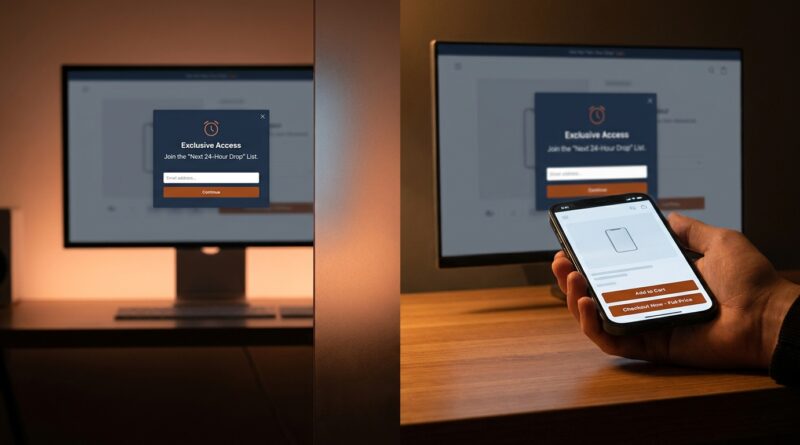
The ‘Warm-Up Whisper’ Flash Strategy: Quietly Preload Your Biggest Sale Without Killing Today’s Conversions
You can feel the trap, can’t you. You have a big flash sale coming, you want a crowd when it starts, but you also do not want to scare off the person who is ready to buy right now at full price. That tension is real. A sitewide “Big Sale Coming Soon” banner can look smart in a planning doc and still quietly wreck this week’s revenue. The fix is not staying silent. It is being selective. If you are wondering how to tease a flash sale without hurting conversions, think whisper, not megaphone. Keep the current visit focused on buying today. Then invite the people who are not converting anyway, plus the people who just bought and still like you, into a quiet list for the next 24-hour drop. You build hype without training every shopper to wait. That is the whole game.
⚡ In a Hurry? Key Takeaways
- Do not tease your flash sale to every visitor. Show it only to non-buyers and recent buyers who opt in.
- Use exit-intent, cart-abandon flows, and a one-question post-purchase survey to build a “quiet list” for the sale.
- This protects today’s full-price conversions while still giving you a bigger audience when the 24-hour promotion goes live.
Why broad sale teasers backfire
Most stores make the same mistake. They put a countdown bar at the top of every page, swap the homepage hero, and start posting “something big is coming” two weeks early.
That sounds exciting. It also teaches shoppers one very dangerous lesson. Wait.
If someone lands from a paid ad today and sees a giant teaser for a better deal tomorrow, many will pause. Not all of them will come back. Some will forget. Some will buy from a competitor. Some will open three more tabs and disappear.
That is why the usual advice to “build hype early” needs a filter. Hype is useful. Untargeted hype is expensive.
What a Warm-Up Whisper Flash actually is
A Warm-Up Whisper Flash is a simple promo plan with two separate jobs.
Job one: protect the current session
Your website, ads, product pages, and checkout stay focused on one thing. Getting today’s visitor to buy today.
Job two: quietly recruit for the next drop
Instead of teasing the sale to everyone, you only invite specific people into a private or early-access list.
Usually that means two groups:
- People who did not buy and are about to leave
- People who just bought and are most likely to buy again or share the event
That is the trick. You separate demand generation from demand harvesting. One flow closes revenue now. The other builds your audience for later.
How to tease a flash sale without hurting conversions
Here is the plain-English version.
1. Keep your main site clean
No sitewide countdown bars for cold traffic. No homepage takeover telling everyone to hold off. No product-page message that says, in effect, “better prices are coming.”
If a message could make a ready buyer delay, it does not belong in your default experience.
2. Use exit-intent for non-buyers
If a shopper is leaving without purchasing, you have much less to lose. This is the perfect moment for a soft invite.
Example:
“Not ready today? Join our quiet list for a 24-hour drop next week.”
That works because you are not interrupting an active checkout decision. You are salvaging a visitor who was already on the way out.
3. Ask buyers one quick question after checkout
Post-purchase is an underrated moment. The customer already said yes. Now ask one lightweight question on the thank-you page or in the confirmation flow.
Try something like:
“Want early access to surprise 24-hour drops?”
Buttons:
- Yes, text me
- Yes, email me
- No thanks
This is low friction, and it helps you build a warmer list than a generic popup ever will.
4. Promise less, then deliver clearly
Do not overcomplicate the teaser. You do not need a mystery campaign with six emails and coded hints. For a tiny team, simple wins.
Tell people:
- It is a 24-hour drop
- Spots are limited to subscribers or insiders
- They will get one alert when it is live
That is enough to create interest without dragging down current buying intent.
5. Launch the sale fast after list-building starts
The whisper works best when the wait is short. Think days, not weeks.
If you collect names for too long, people forget they signed up. Worse, your list starts filling with bargain-only shoppers who never buy outside promo windows.
A tight window keeps interest high and protects margin.
Who should see the teaser, and who should not
Show the teaser to:
- Exit-intent visitors who are leaving without buying
- Email subscribers who clicked but did not convert
- Recent buyers on the thank-you page
- Loyalty members or VIP segments
Do not show the teaser to:
- First-time visitors browsing product pages
- People with active carts close to checkout
- Paid traffic landing pages built to convert now
- High-intent shoppers on checkout steps
If someone is close to buying, your job is not to make them curious about next week. Your job is to help them finish this purchase.
A one-day setup small teams can actually ship
You do not need a full growth team for this. Here is a workable version you can put live quickly.
On-site
- Leave homepage, product pages, and checkout free of sale teasers
- Add an exit-intent popup for non-buyers
- Add a post-purchase opt-in block on the thank-you page
Email and SMS
- Create a “quiet list” segment
- Tag signups by source, exit-intent or post-purchase
- Prepare one launch email and one launch text for sale day
Measurement
- Track current conversion rate before and after setup
- Track quiet-list signup rate
- Track flash-sale revenue from the quiet list only
This matters because you want a clean read. If you promote the upcoming sale to everyone, you blur the numbers. Did the sale create lift, or did it just pull revenue forward and discount orders you would have gotten anyway?
What the messaging should sound like
The best copy is calm and specific.
Good examples
- “Leaving empty-handed? Join our quiet list for a 24-hour drop.”
- “Thanks for your order. Want first dibs on our next limited sale?”
- “Get one alert when the private flash goes live.”
Bad examples
- “Huge discounts coming soon. Don’t buy yet.”
- “Biggest sale ever starts soon. Stay tuned.”
- “Everything will be cheaper next week.”
If your teaser sounds like a reason to delay, it is the wrong teaser.
The hidden upside most stores miss
This approach does more than protect conversions.
It also gives you a cleaner audience when the flash goes live. These people raised their hand. They asked to hear about it. That usually means better open rates, stronger click-through, and a more honest read on whether the offer worked.
You also avoid training the entire market to buy only on discount. That is a slow leak for many brands. It starts with one countdown bar and ends with customers who never purchase at full price.
Common mistakes to avoid
Making the quiet list too public
If everyone can see it, it is no longer a whisper. Keep the invitation targeted.
Asking for too much information
Name, birthday, preferences, and phone number is too much for a quick signup. Keep it light. Email or phone, maybe one preference, done.
Running the tease too early
A long runway sounds organized, but it often weakens urgency. Start close enough to the event that people still remember.
Ignoring buyers
Recent customers are often your easiest recruits. They already trust you. Do not focus only on abandoners.
Forgetting suppression rules
If someone joins the quiet list, do not keep hammering them with daily reminders. One confirmation, one reminder, one launch alert is plenty for a short flash campaign.
When this strategy works best
The Warm-Up Whisper Flash works especially well when:
- Your paid traffic is expensive
- Your margins are too tight for constant discounting
- You need quick execution, not a month-long launch plan
- You want to test flash sales without polluting your full site experience
Peak Q4 is the perfect example. Costs are up, shoppers are distracted, and one clumsy banner can talk people out of buying today. That is why targeted teasing beats broad teasing.
At a Glance: Comparison
| Feature/Aspect | Details | Verdict |
|---|---|---|
| Sitewide teaser banners | Builds awareness fast, but often tells ready buyers to wait for a discount | High risk during peak traffic periods |
| Warm-Up Whisper list building | Uses exit-intent and post-purchase moments to recruit interested shoppers without distracting active buyers | Best balance of hype and conversion protection |
| Timing of the sale tease | Short lead time, usually a few days, keeps urgency high and reduces margin damage | Short and targeted beats long and loud |
Conclusion
If you have been stuck between “build hype now” and “protect conversions today,” you do not have to pick one or the other. That is the value of the Warm-Up Whisper Flash. It is a practical answer to how to tease a flash sale without hurting conversions. Keep the live shopping session clean and focused on buying now. Then use smart triggers like exit-intent on non-buyers and a tight one-question post-purchase survey on buyers to fill a quiet list for the next 24-hour drop. This helps right now because peak Q4 is unforgiving. Paid traffic is expensive, CPMs are climbing, and too many stores are still splashing generic countdowns across the whole site that tell cold shoppers to sit on their hands. A whisper gives you more bodies in the room when the flash starts, a cleaner read on the real lift from the promo, and less margin drain from tipping off every casual browser weeks in advance. Small team, simple setup, smarter result.