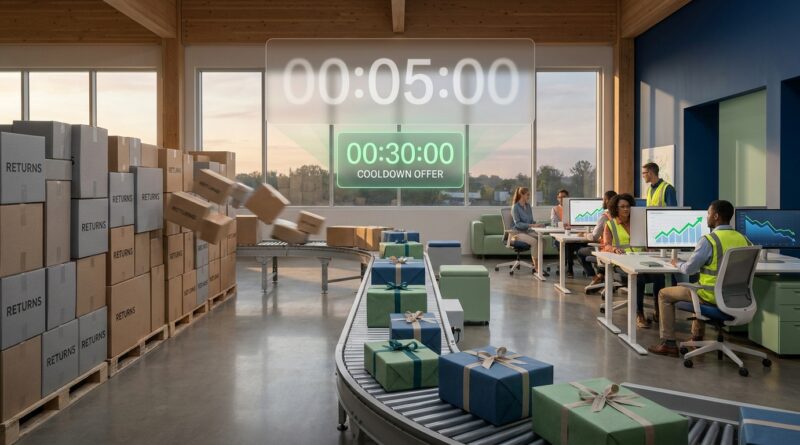
The ‘Cooldown Flash’ Strategy: Turn Post‑Sale Returns Into Your Highest‑Trust Customers
You know the feeling. A flash sale finally works, orders pour in, and for a few hours it looks like you cracked the code. Then the mess starts. Buyers email asking to cancel. Returns climb. Support gets swamped. And the customers you just paid to acquire do not come back. That is the part too many brands ignore. A good sale is not just about getting the click. It is about what happens in the next 48 hours. A smart ecommerce flash sale returns strategy starts after the checkout, not before it. That is where the “cooldown flash” comes in. Instead of pushing people harder after a sale, you calm the room down. You confirm what they bought, reduce buyer’s remorse, answer the questions they have not asked yet, and offer a gentle next step only when it fits. Done right, that turns shaky post-sale customers into your highest-trust buyers.
⚡ In a Hurry? Key Takeaways
- A cooldown flash is a post-sale plan that cuts returns by reducing buyer’s remorse and setting clear expectations right away.
- Start with a 48-hour sequence: order reassurance, shipping clarity, product tips, then one low-pressure follow-up offer for the right customers.
- If you push another hard sale too soon, you may get a short bump but hurt trust, repeat rate, and margins.
Why flash sales so often backfire
Flash sales create urgency. That is why they work. But urgency also creates sloppy buying. People rush. They skip sizing notes. They miss shipping timelines. They buy the cheaper option when they really needed the bundle. Then the package arrives, or even before it ships, doubt kicks in.
This is where many brands make things worse. They celebrate the conversion and move on to the next promo. Meanwhile, the customer is sitting there wondering, “Did I buy the right thing?”
That doubt is expensive. It shows up as cancellations, returns, chargebacks, bad reviews, and one-and-done customers.
If you have already been tuning your front-end promotions, you may have seen this pattern in bundle campaigns too. That is one reason The ‘Bundle-Sprint Flash’ Strategy: Turn 24 Hours Of Smart Bundles Into Your Highest AOV Of The Quarter matters. Higher order value is great, but only if the post-sale experience keeps those orders from leaking back out.
What a “cooldown flash” actually is
A cooldown flash is not another discount blast. It is a planned, short post-sale sequence built to do three jobs.
1. Calm buyer’s remorse
Right after purchase, customers want reassurance. They need to feel they made a smart choice.
2. Remove friction before support tickets start
Answer the common questions before people ask them. When will it ship? How do I use it? Can I swap sizes? What if I made a mistake?
3. Recover value without pressure
Some customers are likely to return. Others are open to an exchange, a store credit, or a better-fit add-on. A cooldown flash uses targeted offers to keep the relationship healthy instead of forcing another impulse buy.
The key idea is simple. Your sale got attention. Your cooldown earns trust.
The 48-hour ecommerce flash sale returns strategy that works
You do not need a huge automation stack to do this. You need timing, clarity, and restraint.
Hour 0 to 2: Send reassurance, not noise
Your first message should do more than say “thanks for your order.” It should reduce second thoughts.
Include:
- A plain-English summary of what they bought
- Expected shipping or processing times
- A reminder of why the product is useful
- A fast link to change address, size, or variant if needed
This one email can stop a surprising number of support tickets. People panic less when they know what happens next.
Hour 6 to 24: Teach them how to win with the product
Most returns are not just about quality. They are about mismatch or confusion. Show buyers how to get the result they wanted when they clicked buy.
For example:
- Apparel brands can send fit tips and care notes
- Beauty brands can send a simple “first three uses” guide
- Gadget brands can send a quick-start setup checklist
- Home goods brands can share styling or assembly tips
This is not glamorous. It works anyway. People return products less often when they understand them.
Hour 24 to 48: Segment before you offer anything
Now you can make a smart follow-up. But do not blast everyone with the same message.
Break customers into basic groups:
- High-confidence buyers, no support activity, no hesitation signals
- Worried buyers, opened multiple emails, clicked policy pages, contacted support
- Likely mismatch buyers, bought a common return-prone item or unusual size
Each group should get a different next step.
How to turn likely returns into higher-trust outcomes
This is the part most stores skip. They treat a return request like a lost sale. Sometimes it is. Often it is a trust test.
Offer exchanges before refunds, but make them easy
If the issue is size, color, compatibility, or product fit, offer a fast exchange path. Do not hide it behind forms and delays.
Say something like: “Need a different size or version? We can swap it quickly.”
That feels helpful, not defensive.
Use store credit only when it feels fair
Store credit can protect margin, but customers can smell a trap. If you offer it, add a small bonus and frame it as flexibility.
Example: “Prefer to choose something else? Take store credit plus $10 extra.”
That works better than making refunds feel painful.
Use low-pressure add-ons for the right people
Not everyone should see another offer. But some customers will benefit from one. If they bought a standalone item that often works better with an accessory, show it. If they bought a starter version, show the upgrade only after confirming what they already ordered.
The rule is easy to remember. The post-sale offer should reduce regret, not create more of it.
What not to do after a flash sale
There are a few common mistakes that quietly wreck repeat purchase rate.
Do not launch another “last chance” promo the next morning
This teaches customers that your urgency is fake. It also makes yesterday’s buyer feel tricked or oversold.
Do not bury return and shipping details
Customers get more anxious when they have to hunt for basic answers. Anxiety leads to tickets, disputes, and cancellations.
Do not treat every buyer the same
Your calmest buyers may be ready for an accessory or bundle. Your nervous buyers need reassurance first. Timing matters.
Do not punish refund requests
If someone wants out, making the process ugly may save one order and lose ten future ones through bad word of mouth.
Simple signals that show your cooldown is working
You do not need a giant dashboard to judge this. Start with a few numbers:
- Cancellation rate within 24 hours
- Return rate by flash-sale cohort
- Support tickets per 100 orders
- Exchange rate versus refund rate
- Second purchase rate within 30 to 60 days
If returns stay the same but support tickets drop, that is progress. If refunds fall and exchanges rise, that is progress too. The best sign is when repeat purchase rate improves without another deep discount.
A practical cooldown flash template
If you want a simple version, start here:
Email 1: Right after purchase
Subject: You’re in. Here’s what happens next.
Content: Order summary, shipping window, how to make changes, one sentence reinforcing the purchase.
Email 2: The next day
Subject: Quick tips so you get the most from it.
Content: Setup, fit, usage, care, common mistakes to avoid.
Email 3: Day two, segmented
For confident buyers: A relevant accessory, refill, or bundle with a soft time limit.
For hesitant buyers: FAQ, easy exchange options, support contact, reassuring policy summary.
For likely return-risk buyers: “Need a different version? We can help before it ships” or “Easy exchange available.”
Notice what is missing. There is no screaming countdown timer. No desperate “buy more now” energy. That is the whole point.
At a Glance: Comparison
| Feature/Aspect | Details | Verdict |
|---|---|---|
| Traditional post-sale approach | Little follow-up beyond receipt, weak guidance, another promo sent too soon | Good for short-term spikes, bad for returns and trust |
| Cooldown flash sequence | 48-hour reassurance, education, segmentation, then a gentle next step | Best balance of margin protection and customer confidence |
| Return recovery options | Easy exchanges, fair store credit bonus, targeted support before refund | Most effective when it feels helpful, not manipulative |
Conclusion
Flash sales are everywhere right now, but new research is showing that running them too often, or without a post-sale plan, leads to weaker performance over time and more churn. That is why the cooldown flash matters. It deals with the ugly side effects people do not talk about. It sets expectations, rewards the people who already trusted you, and uses targeted, low-pressure offers to turn possible refunds into stronger lifetime value. If your margins are getting squeezed by returns and ad costs, this is one of the fastest fixes available. You already did the hard part and earned the sale. Now protect it. Engineer the 48 hours after checkout, and you keep more of the revenue you already worked to win.