The ‘Price-Aware Flash’ Strategy: Turn Each Shopper’s Budget Habits Into A Higher‑Margin Sale
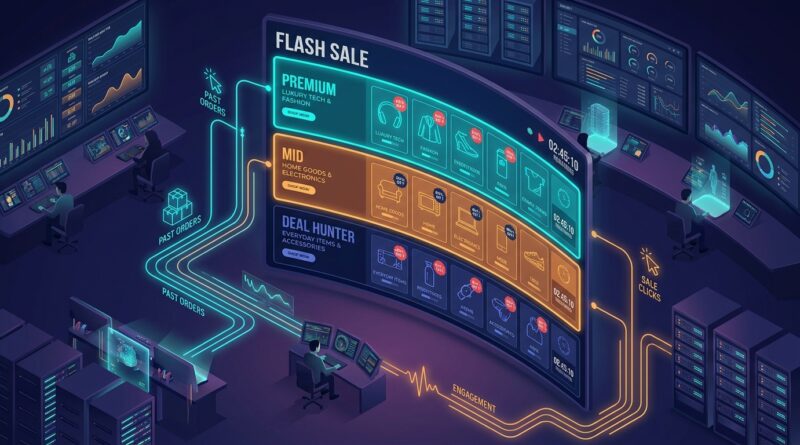
Flash sales can feel like a bad trade. You finally get the traffic spike you wanted, then watch margin disappear because the steepest discount lands in front of everyone, including shoppers who would have paid more. That is frustrating, especially for smaller stores that cannot afford to treat every visitor like a coupon chaser. The good news is you do not need a giant retail tech stack to fix it. A smart price aware personalization flash sale strategy starts with a simple idea. Show different sale messages, tiles, and product rows based on what a shopper already tells you through past orders or clicks. Premium buyers can see limited-time upgrades or bundles. Mid-range shoppers can see solid value picks. Deal-first shoppers can get the sharper markdowns you were going to offer anyway. Same flash event. Better targeting. Better profit protection. Less guesswork. And in many cases, you can set it up this week with tools you already use.
⚡ In a Hurry? Key Takeaways
- A price aware personalization flash sale strategy means showing different flash offers to premium, mid-range, and deal-first shoppers instead of blasting one discount to everyone.
- Start with basic signals like average order value, discount use, and clicked products, then swap homepage banners, sale tiles, and product rows by segment.
- This protects margin because you are not cutting prices across the board, and it is easier to launch than full dynamic pricing.
Why regular flash sales so often backfire
Most flash sales are built for speed, not precision. A store picks a headline discount, sends an email, updates the homepage, and hopes volume makes up for thinner margins.
Sometimes it does. Often it does not.
The big problem is that shoppers are not all the same. Some buy full price if the product feels special or scarce. Some want a fair deal but do not need the absolute lowest price. Others are trained to wait for markdowns. If all three groups see the exact same flash message, your best-margin customers get taught to expect discounts, and your bargain hunters still may not notice the items meant for them.
That is where a price aware personalization flash sale strategy makes sense. It does not mean charging random prices to random people. It means changing what each group sees first, so the offer feels relevant without turning your storefront into a clearance rack.
What “price-aware” actually means
Let us make this simple.
Price-aware means your store pays attention to how each shopper behaves around price, then uses that signal to shape the flash sale experience. Usually, that means placing people into broad buckets like:
- Premium buyers. They buy newer products, higher-ticket items, or bundles. They do not always wait for coupons.
- Mid-range buyers. They care about value, compare options, and often respond well to modest savings.
- Deal-first buyers. They click sale filters, use discount codes often, and tend to convert when markdowns are obvious.
That is enough to start. You do not need a PhD in analytics. You need a practical way to sort visitors based on clues you likely already have.
The data you can use without rebuilding everything
This is the part many merchants overcomplicate.
You do not need a giant customer data platform to run a decent price aware personalization flash sale strategy. A week’s worth of work can be enough if you stick to simple signals.
Useful signals to start with
- Average order value. High spenders often belong in your premium segment.
- Discount code usage. Frequent code users usually lean deal-first.
- Products viewed. Repeated clicks on premium or full-price items tell you a lot.
- Collection behavior. Sale page visitors behave differently from shoppers browsing new arrivals.
- Purchase recency. Recent buyers may respond better to upgrades and bundles than raw discounts.
- Cart behavior. People who abandon when a coupon fails are not the same as people who buy after reading reviews.
Keep your segments broad
Broad is better than clever. If you create twelve micro-segments, your team will drown in setup and reporting. Three segments is usually enough for a first pass.
A basic model could look like this:
- Premium: AOV above your store average by 25 percent, low coupon use, interest in higher-margin categories
- Mid-range: AOV near average, mixed coupon use, broad browsing behavior
- Deal-first: High sale-page visits, frequent code use, lower AOV, strong response to markdown messaging
What to personalize in a flash sale
This is the part that makes the strategy useful. You are not changing your entire website. You are changing the parts shoppers notice first.
1. Hero banners
Your homepage or landing page hero does a lot of heavy lifting during a flash event.
For premium shoppers, the hero might say:
“48-Hour Early Access. Best-Selling Premium Sets, Limited Stock.”
For mid-range shoppers:
“Flash Favorites. Strong Value on Top-Rated Everyday Picks.”
For deal-first shoppers:
“Today Only. Deepest Savings in Our Sale Collection.”
Same event. Different front door.
2. Flash tiles and promo cards
If your sale page has clickable tiles, use them wisely. Premium visitors should not be greeted by your cheapest products unless that is truly what they buy. Lead with bundles, exclusive colors, or higher-margin accessories. Deal-first visitors, on the other hand, should get straight to markdowns and limited-stock bargains.
3. Product rows
This is often the easiest win. Reorder the rows.
- Premium: “Complete the Set,” “Top Rated Premium Picks,” “Members-Only Upgrades”
- Mid-range: “Best Value This Hour,” “Customer Favorites Under $X,” “Smart Bundles”
- Deal-first: “Lowest Prices Today,” “Clearance Ending Soon,” “Extra 10% Off Eligible”
4. Email and SMS entry points
If your email platform allows segments, this gets even better. Send a premium version of the flash message to premium shoppers and a markdown-heavy version to deal-first shoppers. The storefront experience should then match the message they clicked.
That consistency matters. Nothing kills trust faster than a sale email promising one thing and a landing page showing another.
How this protects margin without feeling sneaky
Some merchants hear “price-aware” and worry shoppers will think they are being manipulated. Fair concern. The way around that is simple.
Personalize placement, urgency, and product mix more than actual price.
In other words, your premium shopper can see a premium bundle first. Your deal-first shopper can see the discounted standalone item first. You are guiding attention, not playing games with hidden pricing rules.
That is why this strategy often works better than aggressive dynamic pricing for smaller brands. It is easier to explain internally, easier to launch, and less likely to create customer service headaches.
A realistic setup you can do this week
If you run on Shopify, WooCommerce, BigCommerce, or a similar platform, you can often do a basic version with your current tools plus a personalization app, segmentation in your email platform, or even duplicate landing pages tied to audience rules.
Day 1: Pull simple customer signals
Export order history and identify average order value, discount usage, and top categories purchased. If you do not have much purchase data, use click behavior from your email or site analytics.
Day 2: Build three segments
Create premium, mid-range, and deal-first segments. Do not chase perfection. You are looking for directional accuracy.
Day 3: Map the sale experience
Decide what each segment should see in:
- banner copy
- featured collections
- top product row
- email subject line
- landing page CTA
Day 4: Set the rules
Use audience rules in your ESP, on-site personalization tool, or theme logic to show different content blocks. If your stack is basic, use different links in segmented emails that point to different versions of the sale page.
Day 5: Test and check margins
Before launch, check each segment’s featured products against margin. This is the step people skip. A flash sale that converts beautifully on low-margin items can still lose the week.
Day 6 and 7: Launch, monitor, adjust
Watch click-through, conversion rate, average order value, and margin by segment. If deal-first shoppers are buying only the cheapest products, test a threshold for free shipping or add-ons. If premium shoppers ignore discounts but respond to exclusivity, lean harder into scarcity and bundles.
What smaller merchants usually get wrong
There are a few traps here.
They discount too widely
The easiest mistake is showing your best markdowns to people who did not need them. If a customer regularly buys premium products at near full price, do not train them to wait for 40 percent off.
They personalize too much, too fast
You do not need to personalize every inch of the site. Focus on the first screen, the first row, and the first click. That is where most of the gain sits.
They ignore inventory and margin
A good segment strategy can still fail if your most visible products are overstocked low-margin items or nearly sold-out products that create a poor experience. Match the offer to both shopper type and business reality.
They forget return on effort
If setting up five versions of a sale page takes your team two weeks, the strategy is too heavy. Keep it lean enough that you can repeat it.
How to measure whether it is working
Do not judge this by traffic alone. Flash sales already bring attention. The point is to make that attention more profitable.
Track these numbers by segment if you can:
- Conversion rate, to see whether relevance improved action
- Average order value, to see whether premium and mid-range shoppers bought better mixes
- Gross margin per session, to see whether your flash sale actually made healthier money
- Email click-through rate, to see whether segmented messaging was stronger
- Attach rate, especially for bundles and accessories shown to premium shoppers
If conversion goes up but gross margin per session drops, your sale may still be too blunt. If conversion is flat but margin improves, you may be on the right path and just need better creative.
When this strategy is a bad fit
It is not magic.
If your store has tiny traffic, almost no order history, and little category depth, heavy segmentation may not be worth the effort yet. In that case, start with two versions only: a premium/value version and a discount-led version.
It is also a poor fit if your brand promise depends on radical transparency around identical offers for everyone. Some brands prefer one universal sale message, and that is fine. Even then, you can still personalize product ranking without changing the sale terms.
The practical sweet spot
The sweet spot for most small and mid-sized merchants is not full dynamic pricing. It is guided merchandising based on budget habits.
That means:
- same flash event
- same general promotion window
- different featured products and messages by shopper type
It is a calmer, safer way to get the benefits of personalization without turning your sale into a science project.
At a Glance: Comparison
| Feature/Aspect | Details | Verdict |
|---|---|---|
| Traditional flash sale | One discount message for everyone, broad visibility, easy setup, often weak margin control | Good for speed, poor for profit protection |
| Price-aware personalization flash sale strategy | Segments shoppers by budget habits and changes banners, tiles, and product rows to match buying style | Best balance of conversion lift and margin safety |
| Full dynamic pricing approach | More complex systems, possible customer trust issues, stronger data needs, higher setup burden | Useful for larger teams, often too heavy for smaller stores |
Conclusion
If your flash sales bring clicks but eat margin, you do not need to give up on them. You need to get a little smarter about who sees what first. That is why this helps right now. A price aware personalization flash sale strategy is one of the few sale tactics that can raise conversion while protecting profit at the same time. With just a little order history or click data, you can tag visitors as premium, mid-range, or deal-first buyers and adjust the flash tiles, banners, and product rows each group sees, without rebuilding your whole tech stack. While everyone else is making noise about generic AI and complicated dynamic pricing, smaller merchants can use this as a realistic, do-it-this-week fix. Start small. Keep the segments broad. Watch margin as closely as conversion. You may find that the traffic you already have is worth more than you thought.