The ‘Micro-Segment SMS Flash’ Strategy: Turn 3 Texts Into Your Highest-Intent Sales Hour
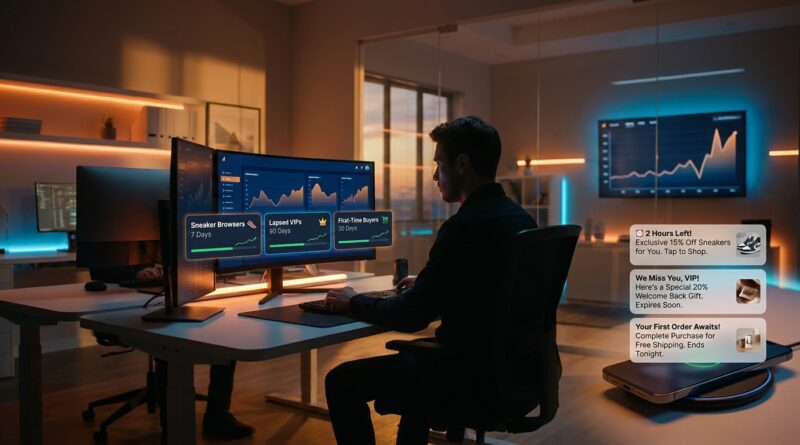
Your SMS list is probably not the problem. The way you are using it might be. That is the frustrating part. Brands keep sending the same “20% off today only” text to everyone, then act surprised when clicks drop, opt-outs rise, and sales barely move unless the discount gets bigger. People can feel when a message is generic. It lands like noise, not help. A smarter ecommerce sms flash sale strategy is much smaller and much more targeted. Instead of blasting the whole list, you send just three texts to a tiny group of people who already showed real interest in a product or category during the last 7 to 14 days. Keep the offer tightly matched to that interest. Keep the sale under two hours. Then stop. Done right, this creates a short burst of high-intent revenue without burning margin, annoying your broader list, or teaching everyone to sit around waiting for the next coupon.
⚡ In a Hurry? Key Takeaways
- A micro-segment SMS flash works best when you text only recent product or category browsers, not your full subscriber list.
- Use a simple 3-text sequence over less than two hours: launch, reminder, last call.
- This protects margins and deliverability better than constant storewide blasts, especially as SMS costs keep rising.
Why the old flash-sale playbook is wearing out
The classic bulk text blast used to feel exciting. Now it often feels lazy.
Your subscriber who looked at running shoes yesterday should not get the exact same text as the customer who has only ever bought skincare. When everyone gets the same offer, two things happen. First, relevance drops. Second, you need deeper discounts to get the same response.
That is a bad trade.
A broad flash sale can create a short sales bump, sure. But it also chips away at profit and trains your audience to ignore anything that is not a coupon. Over time, that makes your SMS channel more expensive and less effective.
What a micro-segment SMS flash actually is
A micro-segment SMS flash is a very short sale sent to a very specific slice of your list.
The basic formula
Start with people who showed clear interest in one product, collection, or category within the last 7 to 14 days. That could include:
- Viewed product pages multiple times
- Clicked a category link from email or SMS
- Added an item to cart but never bought
- Browsed a collection during the last week
Then send them a deal that fits that exact interest. Not a whole-site discount. Not a random promotion. Something narrow and timely.
Example: “2 hours only. 15% off all trail runners you viewed this week. Use code TRAIL15.”
That is the core of a good ecommerce sms flash sale strategy. Relevant audience. Relevant product. Short clock.
Why three texts are often enough
You do not need a long campaign here. In fact, longer usually makes it worse.
Text 1: The launch
Send the offer with a clear reason it matters to them.
Example: “You checked out our linen sets this week. For the next 90 minutes, take 15% off linen with code LINEN15.”
Text 2: The reminder
Send this roughly halfway through the window. Keep it short.
Example: “Quick reminder. Your linen flash ends in 45 minutes.”
Text 3: The last call
Send this near the end. No fluff. No extra pitch.
Example: “Last call. Linen flash ends in 15 minutes. Code LINEN15.”
That sequence works because it mirrors real shopping behavior. People miss the first text, get busy, or need a little nudge. Three touches in a tiny window can catch intent without becoming annoying.
Who should get the message, and who should not
This is where most of the money is made or lost.
Good segments to target
- Recent viewers of a product category
- People who clicked but did not buy
- Cart abandoners for a specific product family
- Past buyers of a related item who browsed again recently
People to exclude
- Anyone who purchased that item very recently
- Highly disengaged subscribers who have not clicked in months
- People who already received multiple promo texts this week
- Anyone outside your normal consent and compliance rules
If the segment is too broad, you lose the point. If it is too stale, you lose the urgency. Recency matters here.
How to keep margins from getting crushed
This is one of the best reasons to use a micro-segment approach in the first place.
Because you are sending to people with recent intent, you can often use a smaller discount than you would need in a storewide blast. Sometimes the hook does not even need to be a discount. It could be:
- Free shipping on that category for 90 minutes
- A small gift with purchase
- Early access to low-stock items
- Bundle pricing on a related add-on
You are not trying to wake up a cold audience. You are trying to convert warm interest before it fades.
Timing matters more than most brands think
A flash sale is not just about the offer. It is about the moment.
The sweet spot is usually under two hours. Long enough for people to act. Short enough to feel real.
If you run it all day, it stops feeling like a flash. If you run it for 15 minutes, too many people miss it. The middle ground tends to work best.
A practical timing framework
- Window: 60 to 120 minutes
- Text 1: At launch
- Text 2: At the halfway point
- Text 3: 10 to 20 minutes before close
Also, avoid stacking this right after a broad campaign. If the whole list just got a big promo yesterday, your tiny segment flash may feel repetitive instead of special.
What to say in the text
Good SMS copy is plain, specific, and quick to scan.
Include these four things
- Why they are getting it
- What product or category is included
- How long it lasts
- What action to take
Example: “You were checking out our espresso machines. For the next 2 hours, get free shipping on espresso gear. Shop now: [link]”
Notice what is missing. No shouting. No fake hype. No giant paragraph. Just a useful nudge tied to actual behavior.
How this fits with other high-intent plays
A micro-segment SMS flash is not your only move. It works especially well alongside other intent-based campaigns.
If someone is even closer to buying, like hovering at checkout, a stronger conversion tool may be the better fit. That is where The ‘Cart-Exit Flash’ Strategy: Turn Almost-Lost Checkouts Into Your Highest-ROI Sale Of The Day fits nicely. Think of cart-exit messaging as the rescue mission, and the micro-segment flash as the quick strike for warm shoppers who are interested but not yet at the finish line.
The part many brands forget: switch back to value-first messaging
This is important.
Once the flash window closes, do not keep hammering that same segment with more discounts. Move them back into normal messaging. Product tips. Restock alerts. Useful content. Social proof. New arrivals.
Why? Because if every touch becomes a sale, people learn to wait. Then your SMS list turns into a bargain-only list, and that is expensive to maintain.
The best brands use flash sales like a scalpel, not a sledgehammer.
Simple metrics to watch
You do not need a giant dashboard to judge whether this is working.
Track these first
- Revenue per recipient
- Click rate
- Conversion rate
- Unsubscribe rate
- Margin impact by offer type
If revenue per recipient rises while unsubscribes stay steady or fall, you are probably on the right track. If opt-outs spike, your targeting or message frequency needs work.
Common mistakes to avoid
- Using segments based on old behavior from 30 or 60 days ago
- Making the offer storewide instead of category-specific
- Running the flash too long
- Sending too many promo texts in one week
- Ignoring exclusions for recent buyers
Most failures come down to one issue. The offer is not actually tailored enough to justify the interruption.
At a Glance: Comparison
| Feature/Aspect | Details | Verdict |
|---|---|---|
| Audience targeting | Micro-segment flash targets shoppers with product or category interest in the last 7 to 14 days. | Much stronger than blasting the full list. |
| Sale duration | Best results usually come from a 60 to 120 minute window with 3 texts total. | Short windows create urgency without dragging down list fatigue. |
| Margin and list health | Smaller, more relevant offers can reduce discount depth and lower unsubscribe risk. | Better long-term play for revenue and deliverability. |
Conclusion
Bigger is not always smarter. In the last day, a lot of flash-sale talk has centered on giant events, whole-site discounts, TikTok live pushes, and holiday promos. The problem is the same every time. They treat everyone the same and they chew through margin fast. A micro-segment SMS flash flips that around. You send a tightly relevant, time-boxed deal only to people who actually showed interest in a product or category in the last 7 to 14 days, keep the window under two hours, and then move that group right back to value-first messaging. That is why this approach is so useful right now. It respects rising SMS costs, helps protect deliverability, and still gives you that fast cash bump before peak season. Best of all, it does not train your entire audience to wait for the next code. That is a healthier ecommerce sms flash sale strategy, and a more sustainable one too.