The ‘Micro-Segment Flash’ Strategy: Turn 3 Tiny Buyer Groups Into One Profitable 2‑Hour Sale
Most flash sales fail for a simple reason. They treat every shopper like the same person. If you have ever sent one big “2 hours only” discount to your whole list, watched opens come in, and then felt disappointed by the actual sales, you are not alone. It is frustrating. Margins get squeezed, regular buyers learn to wait for coupons, and new shoppers still need a bigger nudge than your best customers do.
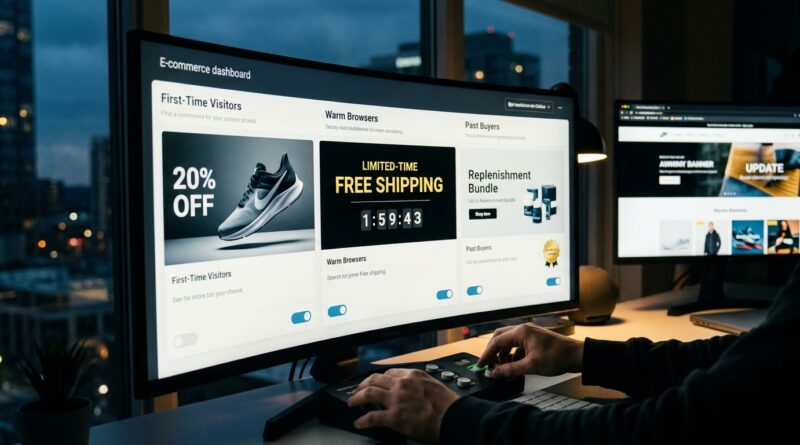
The smarter move is an ecommerce micro segment flash sale strategy. Instead of one generic offer, you split buyers into three tiny groups and give each one a different reason to act. First-timers might get the deepest welcome discount. Repeat buyers might get a bundle that fits what they already buy. Lapsed shoppers might get a short, clear “come back” offer with timing that matches their normal purchase cycle. This is not fancy enterprise stuff. It is a simple rules-based sale you can build with customer tags, one email platform, and three versions of creative.
⚡ In a Hurry? Key Takeaways
- Stop sending one flash sale to everyone. Split your audience into three small buyer groups and match the offer to each group.
- Start with basic tags like first-time buyer, repeat buyer, and overdue replenishment. Then send three different messages during the same 2-hour window.
- You do not need expensive software. A simple test can lift revenue per visitor while protecting margins better than blanket discounts.
Why generic flash sales are wearing people out
Customers are trained now. They see “last chance” everywhere. TikTok Shop pushes deals at them. Marketplaces throw coupons around all day. Big platforms already make discounts feel personal, even when they are mostly automated.
So when a brand sends one broad flash sale email to everyone, it often lands with a thud. Your best customers may not need 25 percent off to buy. Your newest subscribers may need more trust and a stronger reason to try you. And someone who usually reorders every 45 days should not get the same message as someone who bought once 11 months ago.
That is where an ecommerce micro segment flash sale strategy starts to make sense. Not because it is trendy, but because it respects how people actually shop.
What the “Micro-Segment Flash” strategy actually is
Think of it as one flash sale with three mini-sales hidden inside it.
You still run a single 2-hour event. You still keep the timing tight. But instead of one offer, you create three versions based on basic customer behavior.
Segment 1: True first-timers
These are subscribers or browsers who have never bought, or customers making their first purchase. This group often needs the strongest discount because trust is still low and comparison shopping is high.
A good offer here might be:
- 20 percent off first order
- Free shipping plus a small bonus item
- A starter bundle with a clear “best place to begin” message
Segment 2: Repeat buyers
These people already know you. Giving them the deepest sitewide discount can be wasteful. They may respond better to value rather than pure markdown.
A better offer might be:
- Buy 2, save 15 percent
- Replenishment bundle at a better unit price
- VIP early access in the same 2-hour window
Segment 3: Lapsed or overdue buyers
This is the group that bought before but has gone quiet. The key here is timing and relevance. If they usually reorder every 30 days and it has been 50, your message should feel like a helpful nudge, not a random blast.
Try offers like:
- Come back and save 18 percent on your usual category
- Your refill window is here. Grab a 2-hour bundle
- Return offer tied to what they last purchased
Why this works better than one big discount
Because the goal is not just more orders. It is better revenue per visitor and less margin damage.
Here is the plain-English version. You stop overpaying for sales you were already going to get. Your repeat buyers get an offer that lifts basket size. Your first-timers get the stronger push they actually need. And your lapsed customers get a reminder that feels timely, not spammy.
That is a much healthier setup than teaching your whole list to wait for a coupon.
The simple data you need
This is the part that scares people off, but it should not. You do not need a full customer data platform. You need a small, clean tag structure.
Start with these basic tags
- Never purchased
- First purchase completed
- Repeat buyer
- Last order date
- Usual reorder window, if your products repeat on a pattern
- Top product category purchased
That is enough to run a practical test. Many email tools and ecommerce platforms already store most of this. You may just need to organize it.
How to build the 2-hour sale this week
Keep it small. The biggest mistake is trying to build a perfect system before you test anything.
Step 1: Pick one goal
Choose the one metric that matters most for this test. Good options include revenue per recipient, conversion rate, average order value, or margin by segment.
Step 2: Define your three groups
Do not get fancy. Use simple rules.
- Group A: Email subscribers with zero purchases
- Group B: Customers with 2 or more orders in the last 180 days
- Group C: Customers whose last order date is past their normal repurchase window
Step 3: Create one offer per group
Try to match the offer to the behavior.
- Group A gets the strongest first-order nudge
- Group B gets bundles or multi-buy value
- Group C gets a return incentive tied to their past purchase
Step 4: Write three versions of the same campaign
You do not need three totally different brand stories. Keep the bones the same. Change the headline, the offer, and the urgency line.
Example:
- First-timer subject: Your first order deal ends in 2 hours
- Repeat buyer subject: Restock and save more in the next 2 hours
- Lapsed buyer subject: Time to refill? Your 2-hour return offer is live
Step 5: Keep the landing experience consistent
The email promise should match the page. If the message is about a refill bundle, do not dump them on the homepage and make them hunt for it.
If you also have odd pockets of inventory to move, this can pair nicely with The ‘Micro-Stock Flash’ Strategy: Turn 12 Hidden Units Into A 6‑Hour Sellout Event. One handles who gets what offer. The other helps with what stock you feature.
What to say in each message
The copy matters more than most teams think. Not because it has to be brilliant, but because it has to feel specific.
For first-timers
Focus on lowering risk. Remind them what makes the product easy to try. Mention your best proof point. Keep the path simple.
Example: “You have been checking us out. Here is the best first-order deal we will run this week. Ends in 2 hours.”
For repeat buyers
Focus on convenience and value. They know the brand already, so do not waste space introducing yourself.
Example: “Top up now and save more when you bundle. Your 2-hour restock window is open.”
For lapsed buyers
Focus on timing. Make it feel relevant to their routine, not your promotion calendar.
Example: “If you are running low, this is the easiest time to come back. Refill pricing ends in 2 hours.”
Common mistakes that ruin the test
Giving everyone the deepest discount
This is the old habit you are trying to break. If every segment gets 25 percent off, you are not really testing anything except different subject lines.
Using bad segment rules
If your “repeat buyer” segment includes people who bought once two years ago, your results will get muddy fast. Keep your definitions clean.
Making the sale too long
The short window is part of the strategy. Two hours keeps behavior visible and urgency real.
Judging success only by total revenue
Maybe revenue is flat, but margin improves and average order value jumps in the repeat buyer group. That still matters. Look at the full picture.
What success looks like
You are not looking for magic. You are looking for signs that relevance beats blanket discounting.
Positive signals include:
- Higher click rate because the message fits the audience
- Higher conversion for first-time shoppers with a targeted offer
- Higher average order value from repeat buyers through bundles
- Less unnecessary discounting on customers who would likely buy anyway
Even a modest lift can be meaningful if your margins stay healthier.
At a Glance: Comparison
| Feature/Aspect | Details | Verdict |
|---|---|---|
| Generic flash sale | One discount, one message, sent to everyone regardless of buying history | Easy to launch, but often weak on relevance and rough on margins |
| Micro-segment flash sale | Three small buyer groups get different offers, urgency, and creative in the same 2-hour window | Best balance of speed, personalization, and profit protection |
| Tech required | Basic customer tags, segmented email sends, and three versions of creative are enough | Very doable for small and mid-sized brands this week |
Conclusion
Generic flash sales are getting drowned out by TikTok Shop deals, marketplace coupons, and platform-driven discounts that already feel personal. That is why this shift matters right now. The brands that win over the next six months will not always be the loudest. They will be the ones that quietly add first-party data and simple rules to their flash windows. Give higher discounts only to true first-timers. Give replenishment bundles to repeat buyers. Tune urgency to how often someone actually purchases. You do not need a giant tech stack or complex AI to do this well. One basic customer tag structure, a segmented email send, and three creatives per channel are enough to run a 2-hour test this week. If it works, you get something better than a short sales bump. You get a cleaner, smarter system that can lift revenue per visitor without racing to the bottom on price.