The Micro-Segment Flash Sale: How Tiny Audiences And Tailored Offers Beat Site-Wide Discounts In 2026
You can feel it when a flash sale stops working. You send the same 20 percent off email to everyone, watch a small spike come in, then spend the next day wondering why margins got thinner without much to show for it. Your loyal customers were going to buy anyway. Your deal chasers now wait for the next discount. And the rest barely notice because every subject line sounds like the last one. That is the pain point in 2026. Attention is expensive, paid traffic costs more, and shoppers have seen every countdown timer on earth.
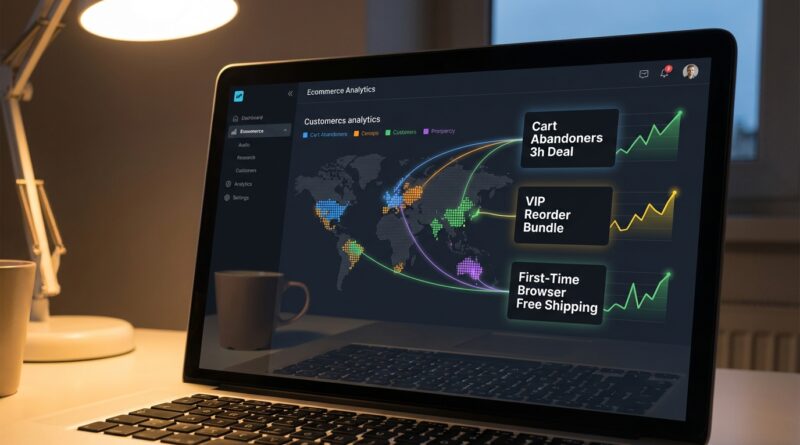
A better move is smaller, not louder. A micro segment flash sale strategy ecommerce brands can use right now means sending short, targeted offers to tiny groups based on what they actually did. Think a three hour free shipping push for people who abandoned carts this week. Or a bundle-only offer for repeat buyers of your top product. Same store. Same traffic. Smarter timing. Instead of discounting your whole audience, you turn a few warm pockets of intent into fast revenue and useful data for the next sale.
⚡ In a Hurry? Key Takeaways
- A micro-segment flash sale works better than a site-wide discount when you target small groups by behavior, timing, and buying history.
- Start with 2 or 3 simple segments, such as cart abandoners, product page bouncers, and repeat buyers of one hero SKU.
- Protect margin by matching the offer to the segment. Not everyone needs 20 percent off. Some people only need free shipping, a bundle, or a bonus gift.
Why site-wide flash sales are losing their punch
Blanket discounts look simple because they are simple. One offer. One email. One timer. But simple is not always smart.
When you send the same deal to everyone, you mix together very different shoppers. New visitors who need trust. Repeat buyers who might pay full price for convenience. Cart abandoners who may only need a small nudge. And bargain hunters who only wake up for big markdowns.
That creates three problems fast.
You waste margin on people who did not need a discount
Your best customers often buy because they like the product, know the fit, or need a refill. If they were already likely to convert, a broad discount just gives away profit.
You train your audience to wait
If every sale is store-wide, shoppers learn the pattern. Why buy now if another 20 percent off blast is probably coming next week?
You learn almost nothing
A generic sale tells you total revenue. It does not tell you whether a free shipping offer would have worked better for one group, or whether a bundle would have beaten a price cut for another.
What a micro-segment flash sale actually is
A micro-segment flash sale is a short promotion sent to a very specific slice of your audience based on behavior, product interest, purchase history, or timing.
The key word is specific.
Not “all subscribers.” Not “all customers.” More like:
- Visitors who viewed a product page twice this week but did not add to cart
- Shoppers who abandoned a cart in the last 72 hours
- Repeat buyers of your best-selling supplement, skincare item, or accessory
- Customers whose last purchase was 30 to 45 days ago and may be ready to restock
- VIP customers who spend often but have gone quiet this month
Then you match the offer to the likely reason they did not buy.
That is the heart of a good micro segment flash sale strategy ecommerce teams can run without needing a giant data department.
Why this works better in 2026
The economics have changed. Customer acquisition is pricier. CPMs jump around. Clicks are not cheap. So squeezing more value out of people who already know you is often the fastest path to profitable growth.
Micro-segment flash sales work because they respect intent. They do not treat every shopper the same. A person who just left a cart is much warmer than a casual browser from six months ago. A loyal repeat buyer does not need the same message as a first-time visitor.
That means you can:
- Run smaller promotions with less margin damage
- Get quicker wins from your existing email and SMS list
- Test different hooks, not just discount depth
- Build a cleaner playbook for future campaigns
Over time, you stop guessing. You start seeing patterns.
The four offer types that usually beat “20 percent off everything”
1. Free shipping
This is often enough for cart abandoners or low-AOV shoppers. It feels helpful without slashing product value.
2. Bundle-only savings
Great for repeat buyers or hero SKU fans. Instead of discounting a single item, you increase average order value by packaging related products together.
3. Bonus gift
This works well when you want to protect margin and add perceived value. A sample, accessory, or mini version can feel more special than a plain markdown.
4. Short, targeted price break
Sometimes a discount is the right tool. Just use it narrowly. A 3-hour price drop for one segment is very different from a weekend-long sale blasted to your full database.
How to build your first micro-segment flash sale
You do not need twenty segments to start. In fact, that is a good way to get overwhelmed.
Start with three easy segments
- Cart revivers: Added to cart but did not check out in the last 1 to 3 days
- Product page bouncers: Viewed a product page multiple times this week but never added to cart
- Repeat buyers of a hero SKU: Bought your most-loved product before and are likely open to a refill, upgrade, or bundle
Pick one goal per segment
Do not ask one sale to do everything. For cart revivers, your goal may be checkout completion. For repeat buyers, it may be raising average order value through a bundle. For product page bouncers, it may be getting the first purchase.
Match the message to the hesitation
This is where many brands trip up. If the likely issue is shipping cost, do not lead with a site-wide coupon. If the issue is decision fatigue, a curated bundle may work better. If the issue is urgency, a short window can help.
Keep the time window tight
Three hours. Six hours. Maybe twelve. Short enough to feel real. Long enough for people to see it and act.
Limit the blast radius
If only 400 people fit the segment, that is fine. Sometimes that is better than emailing 40,000 people the wrong offer.
Examples that make this easier to picture
Example 1: The cart reviver
Segment: Shoppers who added a running shoe to cart in the last 48 hours.
Offer: Free shipping for 3 hours.
Why it works: They already showed strong intent. Shipping may be the friction point. No need to discount the product itself.
Example 2: The repeat-buyer bundle
Segment: Customers who bought your hero coffee beans in the last 90 days.
Offer: Buy the beans plus a mug or grinder bundle and save 15 percent on the add-on set.
Why it works: It nudges a second item into the basket instead of cutting the price of the main product for everyone.
Example 3: The product-page bounce rescue
Segment: Visitors who viewed a skincare serum page twice this week but did not add to cart.
Offer: Free mini cleanser with purchase for the next 4 hours.
Why it works: A bonus gift can reduce the risk of trying something new without making the core product feel cheap.
What to send in the email or SMS
This is not the time for fancy copy. Clear wins.
Keep the message simple
- Say why they are getting the offer, without sounding creepy
- State the benefit in the first line
- Use a plain deadline
- Link directly to the relevant product, cart, or bundle
Sample email angle
Subject: Still thinking it over? Free shipping for the next 3 hours
Body: You were close. If shipping was the sticking point, here is a small nudge. Use code SHIP3 before 6 PM and finish your order.
Sample SMS angle
You left something good behind. Finish your order in the next 3 hours and shipping is on us: [link]
Notice what is missing. No shouting. No fake hype. No giant site-wide promise.
How to avoid common mistakes
Do not over-segment too early
It sounds smart to build dozens of tiny groups. In practice, it often turns into a mess. Start small. Learn. Then add complexity only when the data earns it.
Do not default to percentage-off discounts
A discount is only one tool. Many brands reach for it first because it is easy to explain, not because it is best for profit.
Do not ignore holdout groups
If you can, keep a small control group that gets no offer. This helps you see whether the segment would have converted anyway.
Do not run these so often that they stop feeling special
The point is to create relevant urgency, not constant noise. If every micro-sale becomes routine, shoppers will adapt again.
What data you should track after each sale
This is where micro-segment selling gets really useful. Every campaign teaches you something.
Track more than just top-line revenue
- Conversion rate by segment
- Average order value
- Margin after offer cost
- Revenue per recipient
- Time-to-purchase after send
- Unsubscribe or opt-out rate
After a few rounds, you may find that product page bouncers respond best to bonus gifts, while repeat buyers prefer bundles, and cart abandoners convert fastest with free shipping. That is gold. It means your next campaign starts from evidence, not instinct.
A simple 30-day test plan
Week 1
Set up your three starter segments and make sure links go to the right landing pages or pre-loaded carts.
Week 2
Run one cart reviver flash sale with free shipping for 3 hours. Track conversion, margin, and unsubscribe rate.
Week 3
Run one repeat-buyer bundle offer for your hero SKU audience. Compare AOV against normal orders from that group.
Week 4
Run one product-page bounce campaign using a bonus gift. Review which hook worked best and which segment produced the healthiest profit.
By the end of a month, you will not know everything. But you will know far more than you do after another generic store-wide blast.
When a site-wide flash sale still makes sense
To be fair, broad sales are not dead. They still fit big seasonal events, inventory cleanouts, or major brand moments when reach matters more than precision.
But if your weekly or monthly revenue plan depends on constant broad discounts, that is usually a warning sign. Your audience may be getting trained to shop only when you cut prices. Micro-segment sales give you a cleaner middle ground. Fast revenue, with more control.
At a Glance: Comparison
| Feature/Aspect | Details | Verdict |
|---|---|---|
| Audience targeting | Micro-segment sales target small groups based on recent behavior, while site-wide sales treat all shoppers the same. | Micro-segment wins for relevance and efficiency. |
| Margin protection | Targeted offers can use free shipping, bundles, or gifts instead of blanket product discounts across the full list. | Micro-segment usually protects profit better. |
| Learning value | Each segment reveals what angle works best, which helps build a repeatable playbook for future campaigns. | Micro-segment gives stronger long-term insight. |
Conclusion
If your flash sales feel tired, expensive, and harder to justify, you are not imagining it. Broad discounts are getting weaker because shoppers are numb to them and your best customers do not all need the same push. Right now, acquisition costs are up, CPMs are volatile, and the brands that win are the ones getting more profit from the traffic they already have. A micro segment flash sale strategy ecommerce stores can use today is simple at its core. Send a short, relevant offer to a small group with real intent. Maybe it is a 3 hour cart reviver for people who bounced this week. Maybe it is a bundle-only deal for repeat buyers of a hero SKU. Either way, you avoid training the whole list to wait for blanket discounts. Better yet, every campaign gives you better data on what each segment responds to, whether that is a price break, free shipping, a bonus gift, or a limited bundle. That turns future sales into a repeatable, lower-risk system for turning small pockets of attention into reliable cash days.