The ‘Live-Drop Priority Flash’ Strategy: Turn One Product Drop Queue Into VIP-Feeling Buyers Who Actually Check Out
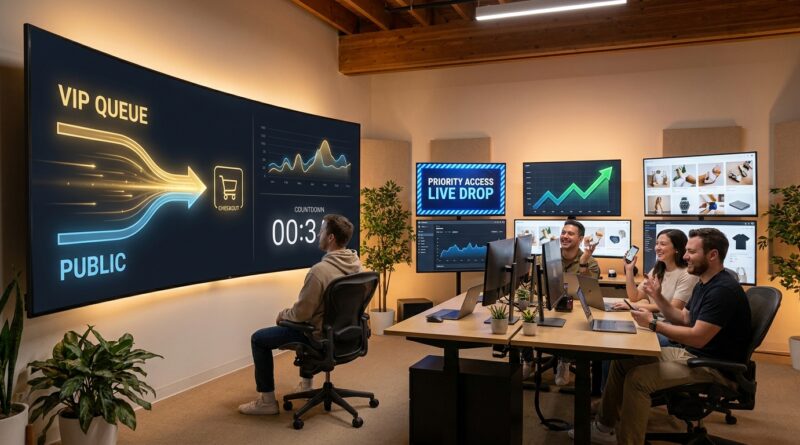
You spend all week building excitement for a drop, then launch night turns into a mess. Your best customers hit a queue that barely moves. Someone gets to checkout, then their cart expires. Meanwhile, a bot or a reseller clears out half the stock before real fans even get a fair shot. That is not just annoying. It is expensive, and it makes loyal buyers feel like outsiders at the exact moment you wanted them to feel special. A smart ecommerce flash sale product drop strategy should do the opposite. It should control traffic, protect inventory, and reward the customers most likely to buy again. That is where a Live-Drop Priority Flash comes in. Instead of one giant free-for-all, you create a short, staged event with priority access, tighter inventory controls, and a cleaner checkout path. The result feels less like survival mode and more like a VIP event people actually finish shopping.
⚡ In a Hurry? Key Takeaways
- A Live-Drop Priority Flash works best when you give top customers early access before the public rush hits your site.
- Use timed entry, short cart holds, capped quantities, and clear inventory rules to stop overselling and reduce chaos.
- This approach protects your brand, cuts support headaches, and makes loyal buyers feel like insiders instead of ticket numbers.
What a Live-Drop Priority Flash actually is
Think of it as a controlled drop, not a stampede.
You are still running a flash sale or limited product release. But instead of opening the doors to everyone at once, you split access into small waves. Your most valuable shoppers get first crack. Then your email or SMS insiders. Then, if inventory is still there, the general public.
That one shift changes almost everything.
Your servers take a smaller hit. Your inventory count stays cleaner. Your support team deals with fewer “what happened to my cart?” messages. And buyers who already like your brand get a real reason to keep coming back.
For smaller stores, this is a better fit than copying giant retailers. Big-box brands can absorb some chaos. Smaller brands usually cannot. Your edge is not scale. It is control, community, and speed.
Why the usual flash sale model breaks down
Everyone arrives at once
If your traffic all lands in the same five-minute window, your site has to handle the spike, your checkout has to stay stable, and your inventory system has to keep up in real time. That is a lot to ask, especially for a smaller team.
Your best customers get treated like strangers
A long queue is frustrating for anyone. It feels worse when it happens to someone who has bought from you five times already. They are not just trying to save a few dollars. They are trying to be part of the moment.
Bots love simple rules
If your drop opens at one exact time, with one product page, one quantity rule, and no priority layer, bots and resellers have a very clear target. Real customers are slower. That is just reality.
Support gets flooded after the damage is done
Once carts fail and stock counts go weird, your team starts cleaning up instead of selling. Refunds, apology emails, angry DMs. The buzz around the drop disappears fast.
The core idea: priority first, public second
A Live-Drop Priority Flash is simple at heart. You build a short access ladder.
- Tier 1: VIP buyers, loyalty members, past drop customers, or high-intent subscribers
- Tier 2: Email and SMS list subscribers
- Tier 3: General public, if stock remains
Each group gets a specific access window. Not a vague promise. A real time slot.
This is not about being fancy. It is about matching demand to what your store can actually handle.
If you already like the idea of structuring offers by buyer type, this pairs nicely with The ‘Three-Tier Flash’ Strategy: Turn One Discount Into Three Profit Levels Instead Of One Race To The Bottom. That piece focuses on pricing and offer design. A Live-Drop Priority Flash focuses more on access and checkout flow. Together, they make a strong one-two punch.
How to set one up without making it complicated
1. Pick your priority group with a clear rule
Do not make VIP status mysterious. Buyers hate that.
Use a rule people can understand, such as:
- Customers who bought in the last 90 days
- Loyalty members above a certain points level
- SMS subscribers who joined before launch day
- Past purchasers of similar products
The simpler the rule, the easier it is to explain and support.
2. Break the launch into short windows
A good starting point looks like this:
- VIP access: 15 to 30 minutes
- Subscriber access: next 15 to 30 minutes
- Public release: after that
You do not need huge gaps. You just need enough separation to reduce traffic shock and give your best buyers a real advantage.
3. Reserve inventory by wave
This is the part many brands skip, and it matters a lot.
If you promise early access but let the first traffic burst eat through all the stock, your “priority” setup is just theater. Reserve units for each wave. For example:
- 40 percent for VIP buyers
- 35 percent for subscribers
- 25 percent for public release
Your exact numbers will depend on your audience. The point is to make sure each group has something real to shop.
4. Put strict limits on checkout behavior
This is where your ecommerce flash sale product drop strategy gets practical.
- Limit quantity per customer
- Use short cart holds, usually 5 to 10 minutes
- Require account login for priority access
- Block suspicious repeat orders to the same address or payment method
- Hide sold-out variants fast
These little controls keep one aggressive buyer, or one script, from wrecking the whole event.
5. Keep the product page boring in the best way
Launch pages should not be clever. They should be clear.
Show:
- When each access window opens
- Who qualifies
- How long carts are held
- Purchase limits
- Whether restocks are possible
People are much calmer when they know the rules.
What makes buyers feel VIP, not manipulated
This part is easy to get wrong.
Customers will accept limited access if it feels fair. They will resent it if it feels like fake scarcity or a trick to force urgency.
So tell them exactly why you are doing it. Something as plain as this works:
“We are opening this drop in waves so our site stays stable, real customers get a fair shot, and our loyal buyers are rewarded first.”
That sounds human because it is human.
You can add small touches that make the event feel special without adding stress:
- VIP early text reminder 10 minutes before access starts
- A private preview page before the drop
- A small bonus item for first-wave buyers
- A waitlist for missed shoppers
The goal is not to make people fight harder. It is to make them feel looked after.
How this protects your margins, not just your server
Flash sales often go wrong in two ways at once. The tech breaks, and the pricing gets sloppy.
Once you add control to the drop, you can also be more intentional with the offer. Maybe VIP buyers get first access at full margin, while later waves get a smaller bonus or bundle instead of a deep discount. That lets you create urgency without training everyone to wait for the cheapest possible price.
Again, this is where a structured promo model like The ‘Three-Tier Flash’ Strategy: Turn One Discount Into Three Profit Levels Instead Of One Race To The Bottom fits nicely. Access strategy and pricing strategy should work together, not fight each other.
Common mistakes to avoid
Making the priority group too big
If half your list is VIP, nobody is VIP. Keep the first wave meaningful.
Using one shared discount code everywhere
That code will spread. Fast. Use unique links, logged-in access, or customer-tag rules when possible.
Forgetting mobile checkout
A lot of drop traffic comes from phones, especially if you are using SMS or live shopping. Test the whole path on mobile. Not just the product page. The whole thing.
Not planning the sold-out moment
What happens when stock runs out? If your answer is “we will figure it out,” you are setting yourself up for chaos. Have a clean sold-out page, a waitlist, and a follow-up email ready.
Skipping a dry run
Do one internal rehearsal. Pretend you are a customer. Click the links. Add to cart. Let a cart expire. Check if inventory updates correctly. Small tests catch embarrassing problems.
A simple launch blueprint you can use this week
If you want a no-drama starting point, try this:
- Choose one product or limited collection.
- Create a VIP segment from recent buyers or loyalty members.
- Reserve inventory by access wave.
- Set a 10-minute cart hold and a low quantity limit.
- Send VIP access first.
- Open wave two for email and SMS subscribers.
- Release leftovers to the public.
- Move sold-out traffic to a waitlist or restock alert.
- Review conversion, site speed, cart abandonment, and support tickets after the event.
You do not need fancy enterprise tech to start. You need clear rules, timing, and follow-through.
At a Glance: Comparison
| Feature/Aspect | Details | Verdict |
|---|---|---|
| Open-to-all flash drop | Everyone hits the site at once, inventory disappears fast, and checkout strain is highest. | Good for raw buzz, bad for control and loyalty. |
| Live-Drop Priority Flash | Access is staggered by customer group, inventory is reserved by wave, and carts are managed more tightly. | Best balance of excitement, fairness, and site stability. |
| Deep discount public sale | Can drive traffic, but often trains shoppers to wait for lower prices and creates lower-margin orders. | Useful in some cases, but risky if overused. |
Conclusion
Live shopping, product drops, and flash deals are all crashing into each other right now, and too many smaller brands are copying big-store chaos like it is the only option. It is not. A Live-Drop Priority Flash gives you a practical ecommerce flash sale product drop strategy that fits the strengths of a smaller business. You can protect your site from traffic spikes, avoid overselling, and make your best customers feel like insiders instead of victims of a messy queue. That matters even more now, when customer acquisition costs keep rising and shoppers are numb to generic discounts. Done well, one short drop can create a clean burst of sales, fewer support fires, and stronger loyalty after the event ends. That is a much better outcome than going viral for all the wrong reasons.