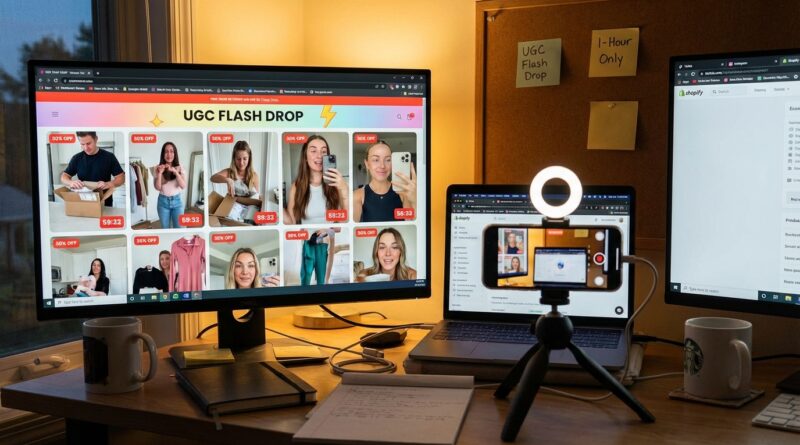
The One-Hour UGC Flash Sale: Turn Customer Videos Into Your Highest-Converting Drop Of The Week
Flash sales get old fast when every promo looks like the last one. If you run a store, you have probably felt that sinking moment. Same discount. Same polished banner. Same product shots. And then the numbers come back softer than last time. Click-through drops. Return on ad spend slips. The sale is still good, but the creative feels tired. That is the real problem. You need something fresh enough to stop the scroll, but you do not have time or budget for a new shoot every week. The good news is you do not need one. A smart ugc flash sale strategy can turn customer videos, simple phone clips, and honest reactions into a fast-launch promo format that feels current, trustworthy, and much closer to how people actually shop now. The trick is not making it prettier. It is making it feel real, getting it live in under an hour, and repeating a format that works every single week.
⚡ In a Hurry? Key Takeaways
- A strong ugc flash sale strategy replaces tired promo graphics with short, real customer videos that feel native to social feeds and often convert better.
- Build a repeatable one-hour workflow: pick one offer, gather 3 to 5 customer clips, add a simple countdown and product proof, then launch.
- Always get permission to use customer content and keep claims honest. Trust is what makes this format work.
Why polished sale creatives are losing steam
There was a time when a clean studio image and a bright discount badge did the job. That time is fading. Shoppers are swimming in ads all day, and they can spot a generic sale creative in a second.
That does not mean quality is dead. It means familiarity matters more. People are more likely to stop when a video looks like something a real person posted, not something a brand spent three weeks polishing.
That is why more marketers are moving budget toward UGC-first campaigns. They want content that matches the feed. Fast clips. Real voices. Products in actual homes, cars, gyms, kitchens, and bedrooms. The less it feels like a campaign, the more it often feels believable.
What a one-hour UGC flash sale actually looks like
Think of this as a simple weekly play, not a giant production. You are building one compact sales drop around social proof.
The format
A one-hour UGC flash sale usually has four parts:
- A clear, time-limited offer
- Three to five short customer videos
- A product page or landing page built around those clips
- Quick distribution through email, SMS, paid social, and organic posts
That is it. No expensive shoot. No massive edit timeline. No need to reinvent your whole brand.
The goal
You are not trying to win an award. You are trying to help a shopper answer one question quickly. “Can I see someone like me using this?”
When the answer is yes, hesitation drops. That is the heart of this ugc flash sale strategy.
Why UGC works so well for flash sales
Flash sales thrive on speed and confidence. The shopper has a short window to decide. UGC helps with both.
It feels current
A customer selfie video from last week feels more alive than a glossy campaign image from last quarter. For a flash event, that freshness matters.
It lowers skepticism
People trust other people. Not blindly, of course. But a real user saying, “I bought this for travel and it actually fit everything,” lands differently than a headline saying “Best travel solution.”
It gives you variety without huge cost
You can rotate creators, use cases, hooks, and lengths without booking a crew every time. That keeps your sale creative from going stale.
The one-hour workflow you can repeat every week
This is where smaller stores can punch above their weight. The process is simple enough to repeat, test, and improve.
0 to 10 minutes: pick one goal
Choose one product or one tightly connected bundle. Flash sales get messy when too many items compete for attention.
Then choose the angle:
- Best seller back in stock
- Weekend inventory push
- Seasonal promo
- Last chance before price goes up
- Limited color or bundle drop
Keep the message tight. One sale. One reason. One action.
10 to 25 minutes: gather your best customer clips
Look for videos that do one of these jobs well:
- Show the product in use
- Answer a common objection
- Show before and after
- Capture an emotional reaction
- Highlight a feature in plain English
You do not need cinematic footage. You need believable footage. A shaky but clear clip can outperform a perfect brand reel if it feels honest.
Good sources include post-purchase email requests, tagged social posts, review submissions, creator whitelisting, and your own customer community.
25 to 40 minutes: build the sale page
Your page does not need fancy design. It needs a clear path.
A simple structure works well:
- Headline with the offer and time limit
- Top video showing the product in real life
- Buy button above the fold
- Two to four more UGC clips lower on the page
- Short review quotes
- FAQ for shipping, sizing, returns, or ingredients
If possible, place the strongest video near the top, not buried halfway down. People make fast judgments.
40 to 60 minutes: launch and push traffic
Now send people to the page. Keep the copy short and direct.
- Email subject: “60-minute flash sale. See why customers keep buying this.”
- SMS: “Live now. 1 hour only. Watch real customer clips and grab the deal before it ends.”
- Paid social: use the same customer video with a clear deadline overlay
- Organic stories: repost a clip, add a countdown sticker, link to the page
The speed matters. This works best when the page, the videos, and the traffic all feel tied to one moment.
What to put in the videos
Not all customer videos pull equal weight. The best ones are usually simple and specific.
Hooks that work
- “I did not expect this to be this good.”
- “Here is what this looks like on a real person.”
- “I bought this for one reason, and now I use it every day.”
- “If you were worried about size, here is the truth.”
Details that help conversion
- Show the product in normal lighting
- Mention fit, texture, setup, or ease of use
- Include a quick result or payoff
- Keep most clips under 30 seconds
Real beats perfect here. But clear still matters. Avoid videos with bad audio, confusing framing, or no visible product.
How to avoid the usual mistakes
A lot of brands hear “UGC” and think any random customer clip will do. That is where the wheels come off.
Do not fake authenticity
If every “customer” video sounds scripted and polished, shoppers can tell. Keep the edits light. Let people sound like themselves.
Do not hide the offer
UGC gets the click, but the sale gets the purchase. Make sure the discount, deadline, and checkout path are obvious.
Do not skip permission
If a customer posted a nice video, that does not automatically mean you can use it in paid ads or on a sales page. Ask first. Save the approval. It protects your brand and keeps relationships healthy.
Do not run the same clips forever
This format is repeatable, but it still needs rotation. Swap hooks, creators, and use cases often enough that the page feels alive.
How to measure if your ugc flash sale strategy is working
Start with the numbers that matter most during a short promo window.
- Click-through rate from email, SMS, and ads
- Landing page conversion rate
- Average order value
- Return on ad spend
- Video hold rate or watch time on top clips
Then compare UGC-led flash sales against your old polished sale pages. Do not just compare total revenue. Compare efficiency. Often the win is not only more sales. It is getting those sales with cheaper creative and faster turnaround.
Who this works best for
This approach is especially useful for:
- Small and mid-sized ecommerce brands
- Stores with repeat customers and review volume
- Beauty, fashion, home, fitness, food, gadgets, and lifestyle products
- Brands running frequent promos without a big creative team
It can also help newer stores, even with a smaller content library. You do not need hundreds of videos. You need a handful of good ones tied to one clear offer.
Why smaller stores can beat bigger brands here
Big brands often move slowly. They have approvals, layers, and expensive production habits. Smaller stores can move in an afternoon.
That speed matters. If you can spot a product trend, pull customer videos, post a time-limited page, and send traffic the same day, you can look more human and more relevant than a much bigger competitor.
That is the quiet advantage here. This is not about having more tools. It is about using what your customers already made and turning it into a sales moment people trust.
At a Glance: Comparison
| Feature/Aspect | Details | Verdict |
|---|---|---|
| Traditional polished sale creative | Looks clean and controlled, but often feels repetitive and expensive to refresh for every promo. | Good for brand consistency, weaker when shoppers want something that feels fresh and real. |
| One-hour UGC flash sale build | Uses existing customer clips, simple edits, and a fast landing page centered on proof and urgency. | Best mix of speed, trust, and low cost for frequent sale events. |
| Risk and upkeep | Requires permissions, clip rotation, and honest claims to stay effective and safe. | Worth it, as long as you treat customer content with care and keep testing. |
Conclusion
The old playbook of one polished sale asset for everyone is starting to look tired, and performance marketers know it. Budget is moving toward UGC-first campaigns because shoppers want pages that look and feel like the feeds they already trust. That is the opening for smaller brands. A repeatable one-hour ugc flash sale strategy lets you launch fast, test often, and sell with social proof instead of studio gloss. You do not need new software or a giant budget. You need a clear offer, a few strong customer videos, and the discipline to repeat what works. Done right, this gives The Deal community a very real chance to out-convert bigger competitors with pages that feel human, current, and built for 2026’s video-first buyers.